
Summer Solstice 2025: Longest Day of the Year Arrives June 20th. Mark your calendars! The Northern Hemisphere's summer solstice, bringing the longest day and shortest night, occurs on June 20th at 10:42 p.m. EDT (June 21st, 02:42 UTC). This astronomical event, caused by Earth's axial tilt, signifies the sun's highest point, resulting in extended daylight hours in the North and the opposite in the Southern Hemisphere. Learn about the Tropic of Cancer, the Midnight Sun, and the aphelion
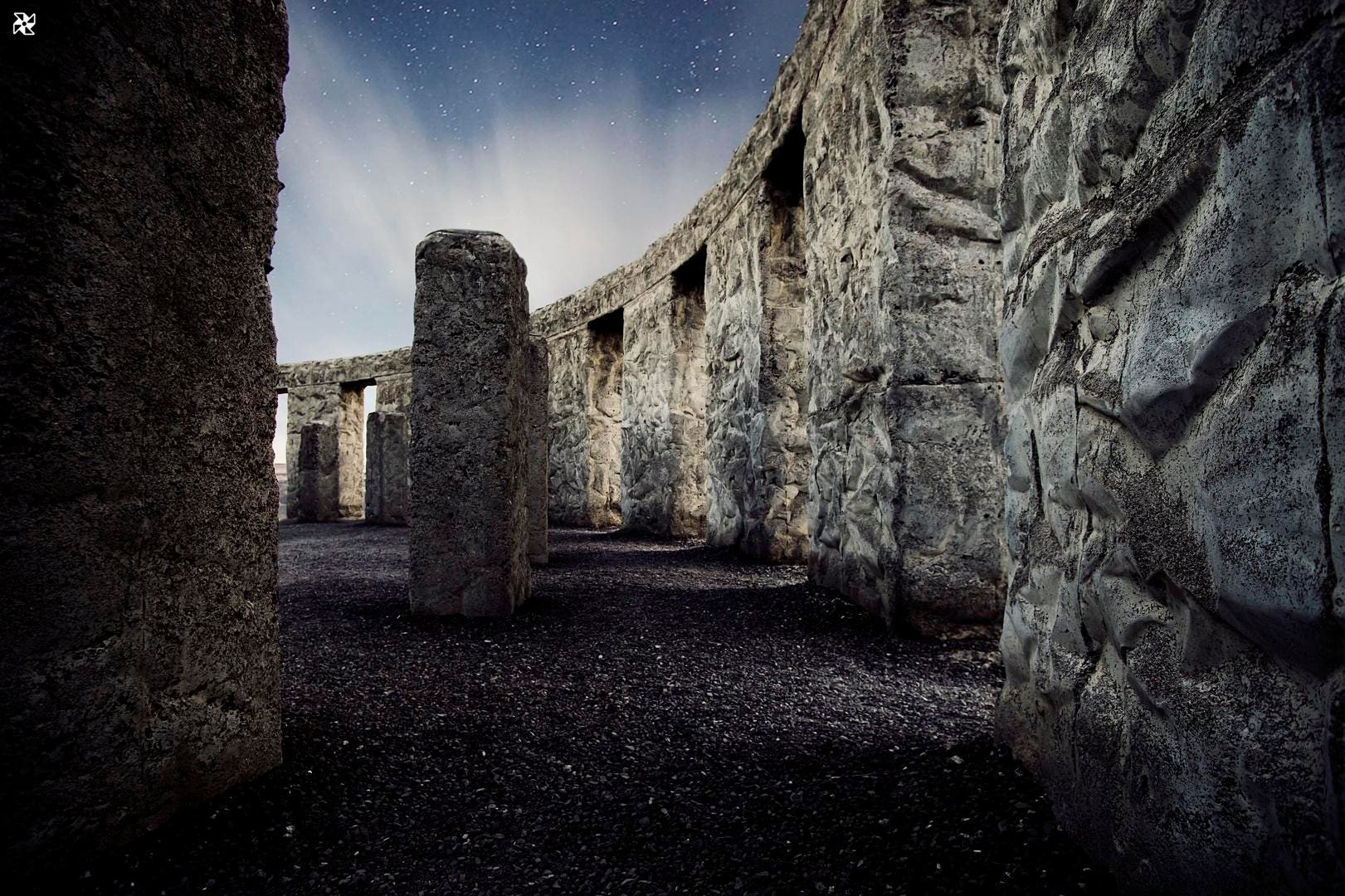
Maryhill Stonehenge: A Washington State Replica Celebrating the Summer Solstice
Summer solstice 2025: Mark your calendars! The longest day of the year in the Northern Hemisphere arrives on Friday, June 20th, at 10:42 PM EDT (Saturday, June 21st, 2:42 UTC). This astronomical event marks the official start of summer and the shortest night
Summer solstice 2025: Why does the Earth's 23.5-degree axial tilt cause the longest day of the year in the Northern Hemisphere? On June 20th, the Northern Hemisphere experiences its longest day and shortest night due to the Earth's tilt towards the sun, maximizing sunlight. This astronomical event marks the official start of summer
In contrast, the Southern Hemisphere experiences its shortest day and longest night during the June solstice
Experience the magic of the summer solstice! Near the Arctic Circle, the Midnight Sun shines, offering days without nightfall. Conversely, the Antarctic Circle plunges into Polar Night, where the sun remains below the horizon. This celestial phenomenon, caused by Earth's axial tilt, marks the longest day in the Northern Hemisphere and the shortest in the Southern
Summer solstice: The sun shines directly over the Tropic of Cancer (23.5° North latitude) on June 20th. This line of latitude crosses North America (Mexico, Bahamas), Africa (Algeria, Western Sahara, Mauritania, Mali, Niger, Libya, Egypt), the Middle East (Saudi Arabia, UAE, Oman), and Asia (India, Bangladesh, Myanmar, China, Taiwan)
Earth Reaches Aphelion 2025: Farthest from the Sun on July 3rd
Two weeks after the June solstice, on July 3rd, 2025, Earth reaches aphelion—its farthest point from the sun this year. This annual event, due to Earth's elliptical orbit, places our planet 94.5 million miles (152 million kilometers) from the sun. This distance contrasts with perihelion in January, when Earth is approximately 3% closer. This highlights that seasonal changes are driven by Earth's axial tilt, not its distance from the sun
Celebrate the Summer Solstice: Stonehenge & its Replicas Worldwide! Experience the longest day of the year at iconic Stonehenge (UK), viewable via English Heritage's YouTube livestream. Explore incredible Stonehenge replicas across North America: Maryhill, Washington's Stonehenge Memorial, a WWI memorial celebrating its solstice with two days of festivities; Texas' Stonehenge II, open 24/7; and Nebraska's quirky Carhenge, featuring 39 vintage cars. Discover these unique solstice celebrations and witness the astronomical event firsthand or online!
Celebrate the Summer Solstice 2025! Join the annual Solstice in Times Square yoga event in New York City on June 20th, or experience the vibrant Fremont Solstice Parade in Seattle on June 21st
Source: Original Article