
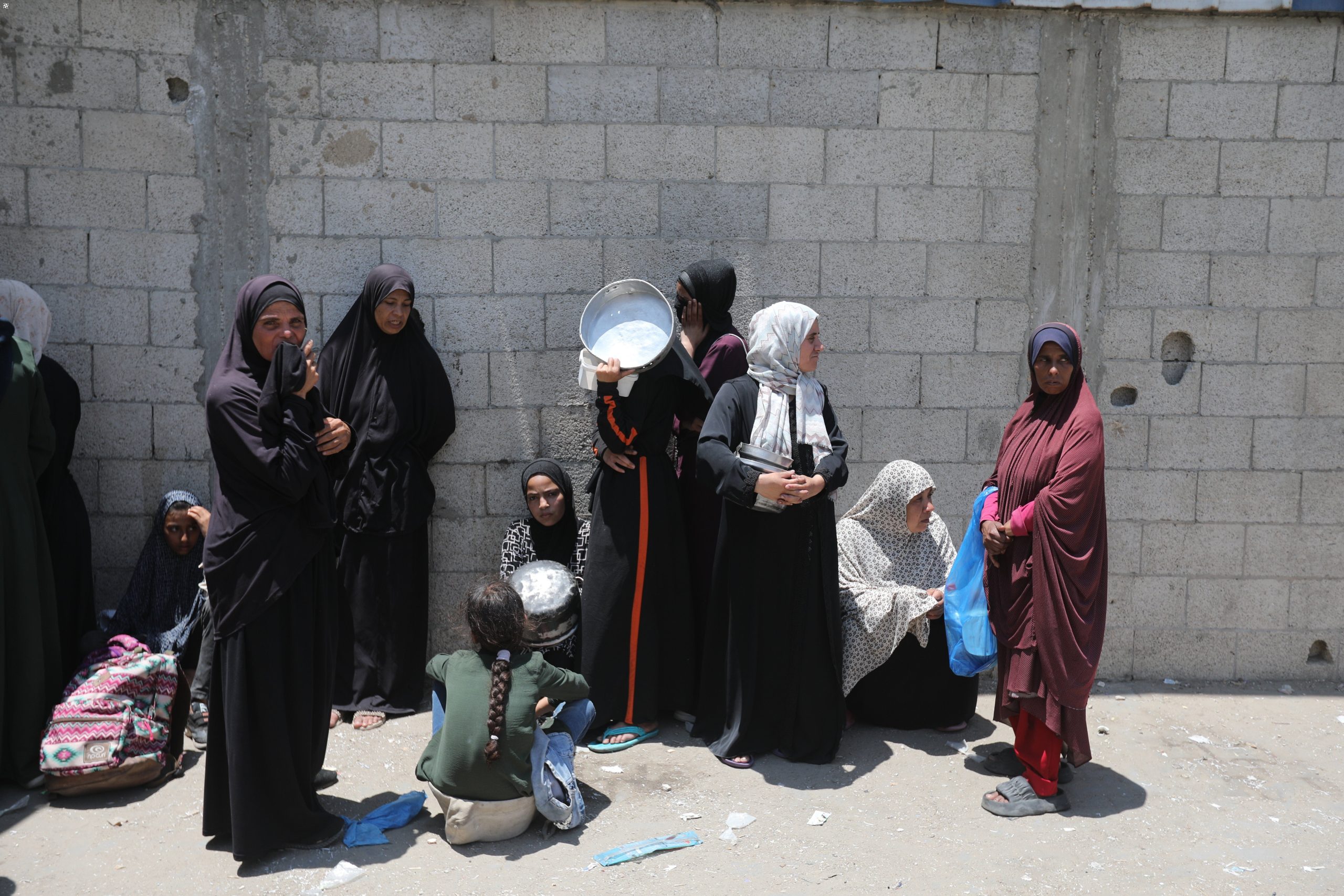
Gaza Death Toll Soars: US-backed airstrikes and Israeli aid restrictions fuel humanitarian crisis, new research reveals. Aid groups report critical shortages of food, water, medicine, and sanitation supplies, exacerbating suffering and accelerating Palestinian casualties. The blockade and ongoing conflict have created widespread food insecurity and disease, pushing Gaza's population into a catastrophic humanitarian emergency
Gaza Crisis: Humanitarian Groups Report Dire Conditions Amidst Israeli Blockade and Ongoing Conflict. Dozens of aid organizations warn of a catastrophic humanitarian crisis in Gaza, fueled by Israel's ongoing airstrikes and ground operations, a crippling blockade restricting essential supplies including medical gas and hygiene materials, and widespread food and water shortages. The report highlights the devastating impact on hospitals, sanitation, and the overall health and well-being of the Palestinian population, urging immediate action to avert further suffering
Gaza humanitarian crisis: Israeli aid restrictions worsen disease spread and acute food insecurity. Severe shortages of food, water, and sanitation supplies, coupled with ongoing conflict, have left the entire Palestinian population facing widespread dehydration and famine, according to the Integrated Food Security Phase Classification. The blockade prevents aid delivery, exacerbating the already catastrophic situation
Gaza Conflict Death Toll: Over 54,600 Palestinians Killed, Actual Number Likely Much Higher. Independent analysts warn the official death toll from the ongoing Gaza war significantly undercounts the true number of Palestinian casualties, with estimates reaching tens of thousands more
Nineteen months after the U.S.-backed Israeli invasion, a new report reveals a catastrophic humanitarian crisis in Gaza. Palestinians face multiple overlapping crises impacting every sector, including severe food insecurity, water shortages, a healthcare system overwhelmed by casualties from ongoing airstrikes and ground operations, and a crippling blockade restricting essential aid. The report, compiled by dozens of humanitarian organizations, highlights the devastating consequences of the conflict and the urgent need for international intervention
Gaza Blockade: Israel's Restrictions Cripple Aid, Confine Population to 19% of Territory. Following the October 7, 2023, Hamas attack, Israel imposed a full blockade on Gaza, citing pressure on Hamas as justification. This, coupled with ongoing airstrikes and displacement orders, has severely restricted access to essential aid, confining Gazans to just 19% of their territory, leading to a humanitarian crisis
Gaza Crisis: Humanitarian Aid Depleted Amidst Blockade. A survey of 40 aid groups (March 26-May 9) reveals 93% have nearly or completely exhausted their supplies, exacerbating the humanitarian crisis in Gaza following the Israeli blockade
Despite limited Israeli aid trickling into Gaza since May 19th, a US-contracted program, excluding established humanitarian groups, has failed to significantly alleviate the crisis. The blockade, preventing vital supplies from reaching Palestinians, has resulted in repeated violence near distribution points, exacerbating the humanitarian catastrophe
Gaza's humanitarian crisis, exacerbated by Israeli policies and ongoing conflict, demands urgent action. A new report reveals that restrictive aid delivery, limited to a single crossing point and fewer than 100 trucks daily, is insufficient to address the catastrophic food and medical shortages. Reversing these policies, including easing inspection processes, is crucial to preventing further loss of life and alleviating the suffering of Palestinians facing acute food insecurity and widespread disease. The report highlights the devastating impact of the blockade on Gaza's population, urging immediate intervention to prevent a worsening humanitarian catastrophe
US involvement in Gaza aid restrictions: Washington's support for Israel's controversial aid program, managed by the Gaza Humanitarian Foundation, has raised concerns. This program, based on the unproven claim of Hamas theft diverting supplies, is rejected by many aid groups and US officials, exacerbating the humanitarian crisis in Gaza amidst ongoing conflict and a severe blockade. The program's impact on essential commercial goods and its lack of substantial evidence supporting its claims are key points of contention
Despite claiming a desire for peace and ceasefire negotiations, the Trump administration continued supplying Israel with American weapons, including bombs, even amidst expressed frustrations with Prime Minister Netanyahu. This arms supply occurred during ongoing conflict and raised concerns about the impact on the humanitarian crisis in Gaza
Biden administration policies regarding Gaza mirrored concerns from US officials, lawmakers, and independent experts who alleged violations of US and international laws on human rights and warfare. A State Department spokesperson confirmed Israel's commission of war crimes in the Palestinian territory
International courts, including the International Criminal Court (ICC) and the International Court of Justice (ICJ), are investigating alleged Israeli war crimes and genocide, fueled by US-enabled aid policies. The ICC is also probing Hamas abuses. Israel denies all accusations
Gaza Crisis: Devastating Report Details Dire Living Conditions. A new report reveals the horrifying reality for Gazan residents, including desperate measures like using shredded clothing as sanitary pads due to severe aid shortages caused by the ongoing conflict and blockade. The report highlights the urgent need for humanitarian assistance in Gaza
Desperate families in Gaza resorted to using rags and nylon as makeshift diapers for their children, leading to widespread skin rashes, fungal infections, and other serious health complications
For two decades, HuffPost has been fearless, unflinching, and relentless in pursuit of the truth. to keep us around for the next 20 — we can’t do this without you.
We remain committed to providing you with the unflinching, fact-based journalism everyone deserves.
Thank you again for your support along the way. We’re truly grateful for readers like you! Your initial support helped get us here and bolstered our newsroom, which kept us strong during uncertain times. Now as we continue, we need your help more than ever. .
We remain committed to providing you with the unflinching, fact-based journalism everyone deserves.
Thank you again for your support along the way. We’re truly grateful for readers like you! Your initial support helped get us here and bolstered our newsroom, which kept us strong during uncertain times. Now as we continue, we need your help more than ever. .
Already contributed? Log in to hide these messages.
For two decades, HuffPost has been fearless, unflinching, and relentless in pursuit of the truth. to keep us around for the next 20 — we can’t do this without you.
Already contributed? Log in to hide these messages.
“Israel has made it almost impossible for humanitarians to do our jobs to save lives in this manufactured humanitarian catastrophe,” James Hoobler, the humanitarian policy adviser at Oxfam America, told HuffPost. “The current aid hub distribution model continues to be proven not only woefully insufficient, but deadly — all while our colleagues in Gaza are sharing that children in their families are dizzy from hunger.”
Israel is simultaneously exerting greater pressure on Palestinians in the occupied West Bank. Netanyahu has approved new settlements in the territory — complicating any future possibility of establishing a Palestinian state there under an Israel-Palestinian peace deal — and appears to be taking steps to annex the region. His government seems increasingly determined to pursue far-right goals that the U.S. and other world powers have condemned, like claiming the two Palestinian territories are absorbed into Israel.
Facing protests over Gaza at home, some global leaders appear willing to exert more pressure on Netanyahu. Later this month, France and Saudi Arabia are hosting a conference on the so-called two-state solution for Israelis and Palestinians in New York, where French President Emmanuel Macron is expected to announce that he recognizes the existence of a Palestinian state.
Source: Original Article