
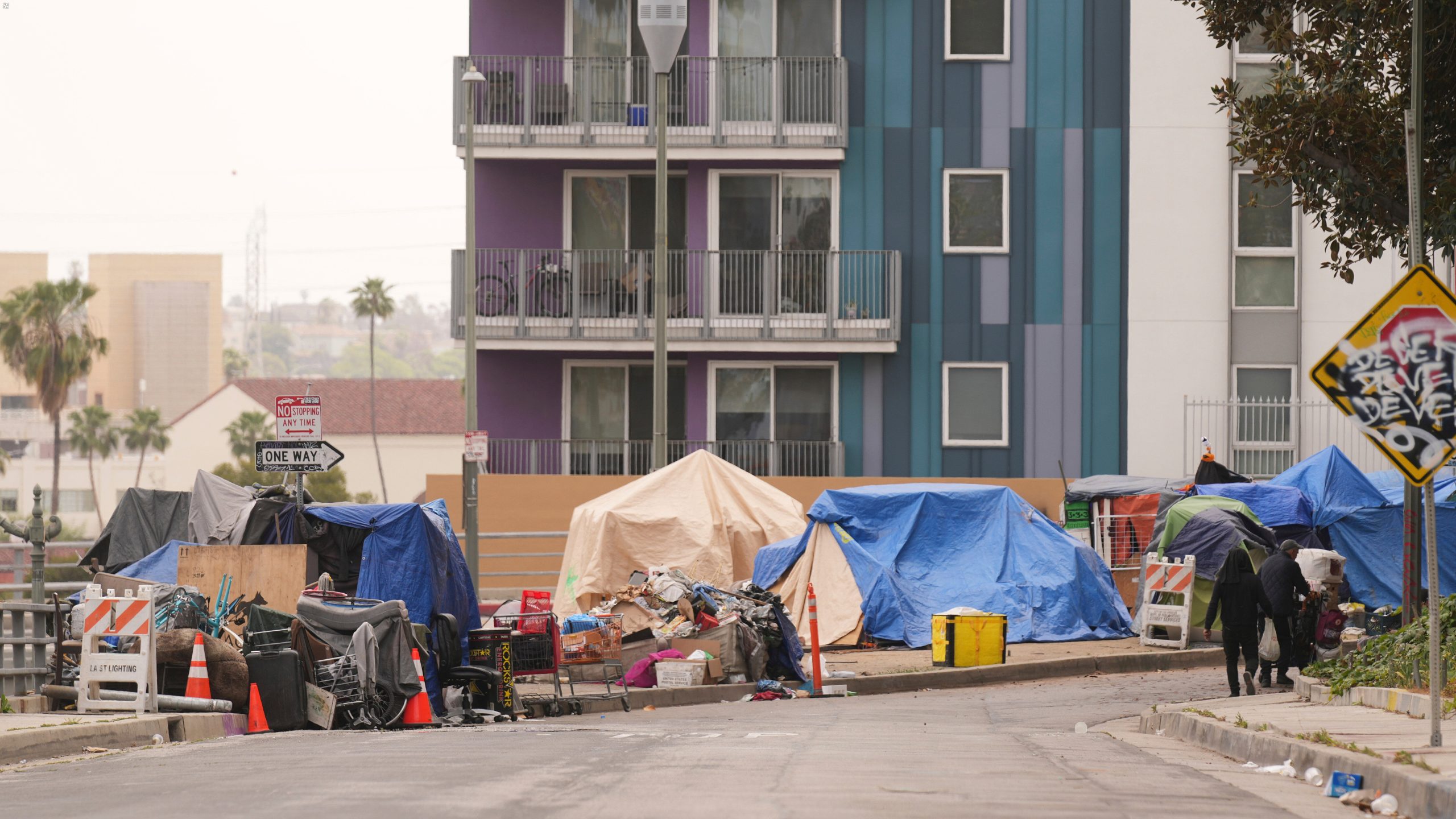
Trump's Executive Order on Homelessness Sparks Outrage: Critics Condemn Forced Mental Health and Drug Treatment
Trump's Executive Order Targets Homelessness: Prioritizing Funding for Cities Addressing Open Drug Use and Street Camping. The order aims to enhance public safety by incentivizing stricter enforcement against street homelessness and substance abuse, arguing that inaction is not compassionate. This initiative has drawn criticism from Democrats and homeless advocates, sparking debate over its effectiveness and ethical implications
Trump's executive order prioritizes involuntary institutionalization for homeless individuals struggling with mental health or drug addiction, claiming this approach is the most effective method to restore public safety and order. This controversial policy, criticized by Democrats and homeless advocates, aims to address rising homelessness and drug use, particularly in major cities
The rising homelessness crisis, fueled by escalating housing costs and the fentanyl epidemic, demands immediate attention. States like California, facing severe housing shortages, are particularly hard-hit. The surge in cheap, potent fentanyl has exacerbated the problem, leading to a dramatic increase in drug addiction and overdoses. This complex issue requires comprehensive solutions beyond punitive measures
Trump's Executive Order on Homelessness: Targeting Liberal Cities, Ignoring Proven California Approaches. President Trump's new executive order aims to combat homelessness in cities like San Francisco, Los Angeles, and New York, targeting what he deems lax street conditions. However, the order's proposed methods—potentially including involuntary mental health and drug treatment—have been debated and even piloted in California, where Governor Newsom and Democratic mayors have long implemented programs to address homelessness and addiction. Critics argue the order is punitive and ineffective, overlooking successful California initiatives focusing on treatment and supportive housing
Supreme Court ruling eases encampment clearing, raising homelessness concerns. The 2022 Supreme Court decision allows cities to remove homeless encampments, even without alternative housing, sparking criticism from advocates and Democrats
Trump's new executive order on homelessness: Critics call it vague, punitive, and ineffective. Advocates argue the plan, prioritizing forced mental health and drug treatment, won't solve the crisis and relies on harmful stereotypes, failing to address the root causes of homelessness, including lack of affordable housing and the opioid epidemic
California Governor Newsom combats homelessness with a two-pronged approach: increased funding for addiction and mental health treatment programs, coupled with city-directed cleanups of homeless encampments
Trump's executive order on homelessness draws fire for relying on harmful stereotypes and prioritizing headlines over effective solutions, critics charge. The order, focusing on forced institutionalization and crackdowns on street camping, is deemed punitive and ineffective by advocates
Trump's new executive order on homelessness, mirroring California's existing strategies, draws criticism from Democrats. A spokesperson retorted that the President's plan, while flawed, is ultimately "the highest form of flattery," highlighting the existing California initiatives the order seemingly imitates. The order prioritizes funding for cities cracking down on street homelessness and drug use, prompting concerns about involuntary commitments and punitive measures
California's homelessness crisis: San Francisco and San Jose's tough stances on street encampments, mirroring a national trend, are drawing criticism. Mayor Lurie's RV ban and Mayor Mahan's "three strikes" shelter policy, which includes jail time for refusal, reflect stricter approaches to addressing homelessness. These policies, similar to President Trump's executive order targeting street camping and drug use, are sparking debate about compassionate solutions versus public safety concerns
Trump's executive order combats homelessness and drug addiction by prioritizing federal grants to states and cities enforcing bans on public drug use and street camping. Attorney General Pam Bondi and the Secretaries of Health, Housing, and Transportation will oversee this initiative, aimed at restoring public safety and providing humane treatment. The order prioritizes funding for cities implementing stricter measures against open drug use and homelessness, a policy opposed by many Democrats and homeless advocates
Trump's Executive Order on Homelessness Draws Praise from Conservative Group: The Cicero Institute, a conservative policy group, applauds President Trump's new executive order targeting homelessness, praising its approach to addressing street encampments and drug addiction. The Institute's public safety policy director, Devon Kurtz, expressed delight with the order's provisions
Trump's executive order targeting homelessness intensifies California's encampment crackdown, building upon existing Supreme Court precedent and state-level efforts to clear homeless camps and provide treatment. While California has already been working to address street encampments, this order adds significant federal pressure, potentially impacting cities' approaches to homelessness and involuntary treatment
Trump's executive order on homelessness sparks controversy, with critics arguing its involuntary commitment provisions are punitive and ineffective, while supporters claim it's a necessary step to restore public safety and provide humane treatment. This policy shift, impacting vulnerable communities, raises concerns about compassionate solutions versus forceful interventions for addressing homelessness and addiction
But Steve Berg, chief policy officer at the National Alliance to End Homelessness, called parts of the order vague. He said the U.S. abandoned forced institutionalization decades ago because it was too expensive and raised moral and legal concerns.
“What is problematic about this executive order is not so much that law enforcement is involved — it’s what it calls on law enforcement to do, which is to forcibly lock people up,” Berg said. “That’s not the right approach to dealing with homelessness.”
The mayor of California’s most populous city, Los Angeles, is at odds with the Newsom and Trump administrations on homelessness. Mayor Karen Bass, a Democrat, opposes punishing sweeps and says the city has reduced street homelessness by working with homeless people to get them into shelter or housing.
“Moving people from one street to the next or from the street to jail and back again will not solve this problem,” she said in a statement.
For two decades, HuffPost has been fearless, unflinching, and relentless in pursuit of the truth. Support our mission to keep us around for the next 20 — we can’t do this without you.
We remain committed to providing you with the unflinching, fact-based journalism everyone deserves.
Thank you again for your support along the way. We’re truly grateful for readers like you! Your initial support helped get us here and bolstered our newsroom, which kept us strong during uncertain times. Now as we continue, we need your help more than ever. .
We remain committed to providing you with the unflinching, fact-based journalism everyone deserves.
Thank you again for your support along the way. We’re truly grateful for readers like you! Your initial support helped get us here and bolstered our newsroom, which kept us strong during uncertain times. Now as we continue, we need your help more than ever. .
Already contributed? Log in to hide these messages.
___
Kramon reported from Atlanta. She is a corps member for The Associated Press/Report for America Statehouse News Initiative. Report for America is a nonprofit national service program that places journalists in local newsrooms to report on undercovered issues.
Source: Original Article