
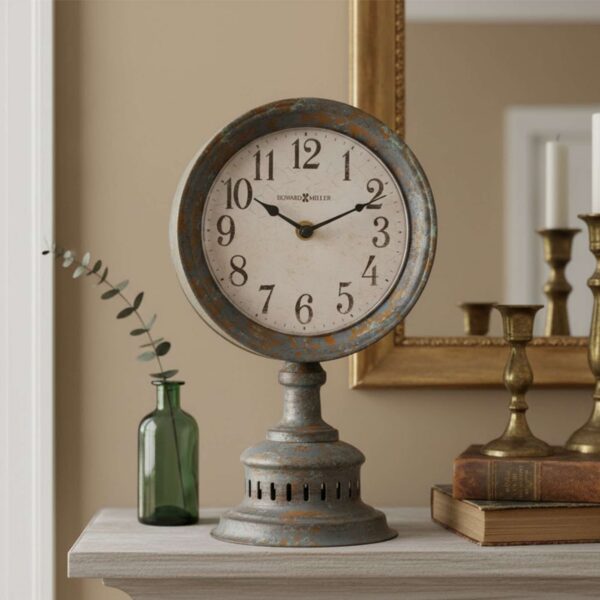
Ardie Mantel Clock
SKU: PS-MANTEL-TABLETOP-CLOCKS-1EE0763E23
In Stock
Product details
Decorate your space with the Ardie antique table clock from . This metal timepiece is aged for the look of a well-worn heirloom. The bottom is enhanced with foam pads to safeguard your tabletop or shelf against scratches, and the dial is protected by a shatter-resistant glass crystal for lasting quality.
Antique Style: This metal clock has an distressed metal finish. It’s enhanced with rust and gray tones for an aged appearance, and it has cut-out details around the base for visual interest. This timepiece is a stylish focal piece for the mantel.
Fashionable and Functional: The antique white dial has gentle distressing, as does the black Arabic numerals. They contrast with the dial for visibility and match the black spade hour and minute hands. Covering the dial is a durable convex crystal.
Quartz Movement: This analog wall clock has battery-powered quartz movement. It requires one AA battery.
Warranty
Product specifications are subject to change without notice. All product imagery shown is for representative purposes only. Actual finishes, levels of distressing, wood grain, glass, mirrors, metals, and fabrics may vary. All warranties are null and void if the product is purchased from an UNAUTHORIZED internet dealer.
Shipping & returns
Delivery timing and return eligibility are shown in the current store policies.
View Shipping Policy View Returns & RefundsRelated products
-
In Stock
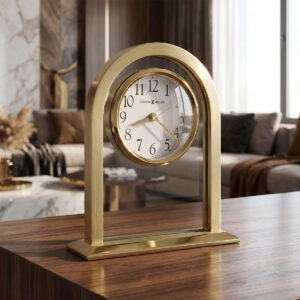
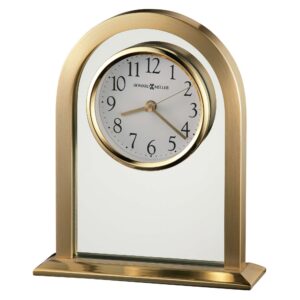 W: 6.25" | D: 2" | H: 7.5"
Imperial Tabletop Clock
$95.99 -
In Stock
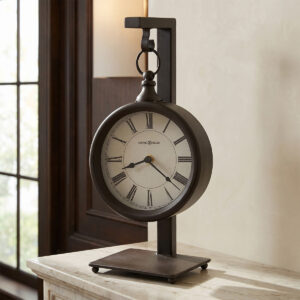
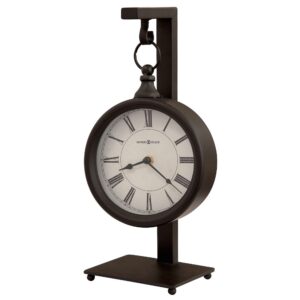 W: 6.5" | D: 4" | H: 14.25"
Loman Mantel Clock
$78.99 -
In Stock
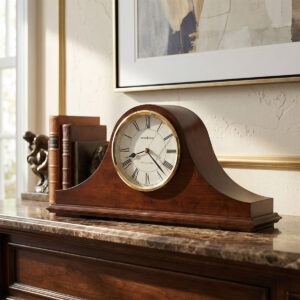
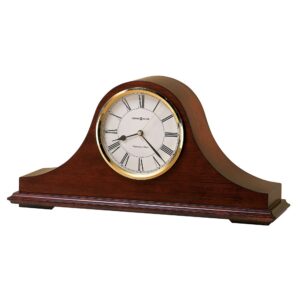 W: 17.75" | D: 4.75" | H: 8.5"
Christopher Mantel Clock
$249.00 -
23% Off In Stock
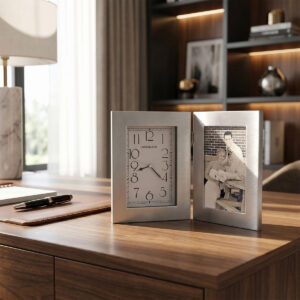
 W: 11" | D: 1.5" | H: 7.5"
Lewiston Tabletop Clock
Original price was: $80.50.$61.99Current price is: $61.99.